
We Gathered. So What?
A Reflection by Catherine Cole, CBM’s Team Lead, Communications
Most of us do not need to be convinced that the Church is global. We know it in theory. We pray for partners in other countries, give to international mission, hear stories from places beyond our own communities, and speak about belonging to the worldwide body of Christ.
But knowing the Church is global is not the same as being formed by it.
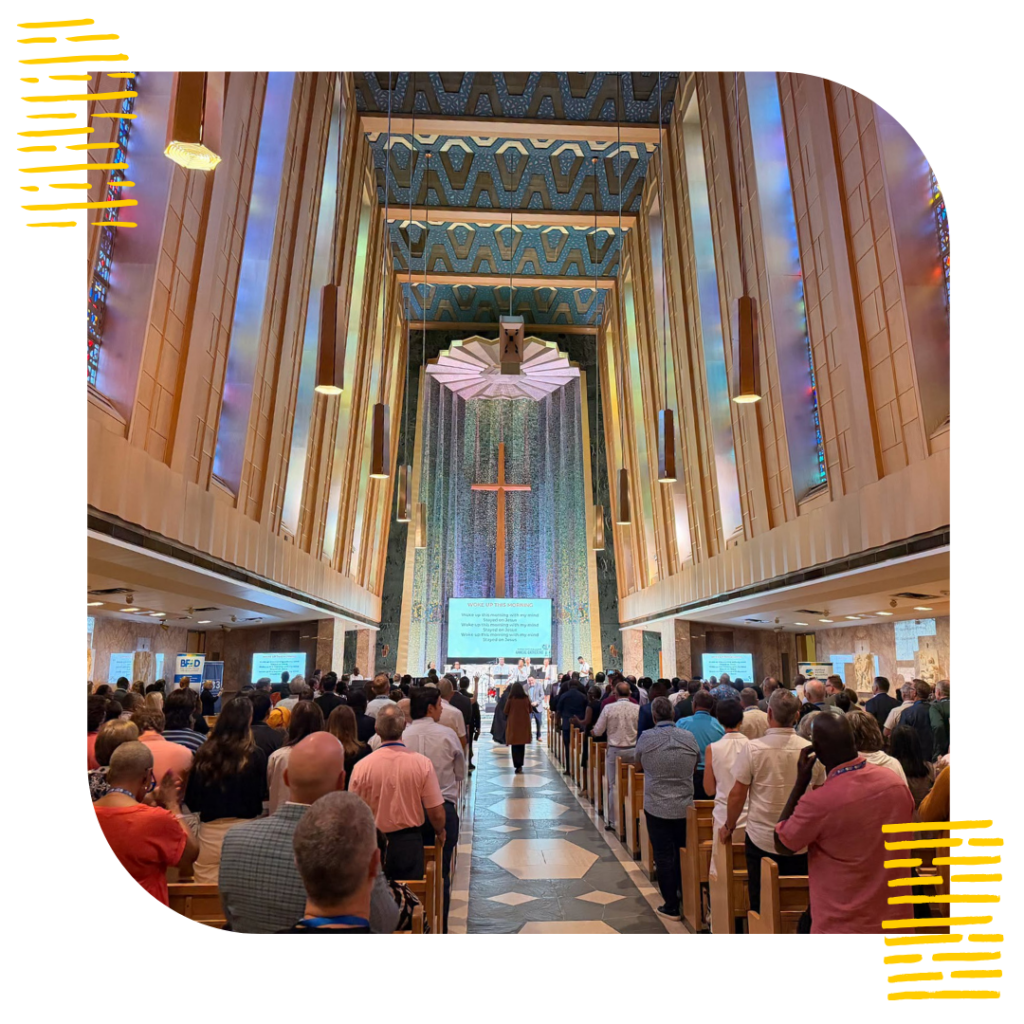
That is what I have found myself reflecting on after the Baptist World Alliance Annual Gathering in Toronto July 6-10, 2026. When leaders, pastors, ministry partners, theologians, advocates, and delegates from around the world gather in one place, the value is easy to see for those already connected to the network. Relationships are strengthened. Hard realities are named. Shared convictions take shape. People who often work across distance have the chance to worship, pray, discern, and sit together face-to-face.
But what about everyone else?
Why should a gathering like this matter to someone who was not in the room, who may not know what the Baptist World Alliance is, and who may never attend a global Christian conference?
I think it matters because it brings the wider Church into view long enough for us to recognize what is already true: the table Christ has prepared is already set around the world, including here. In our pews. Around our tables. Across our neighbourhoods. In the lives of people whose stories may be closer than we think.
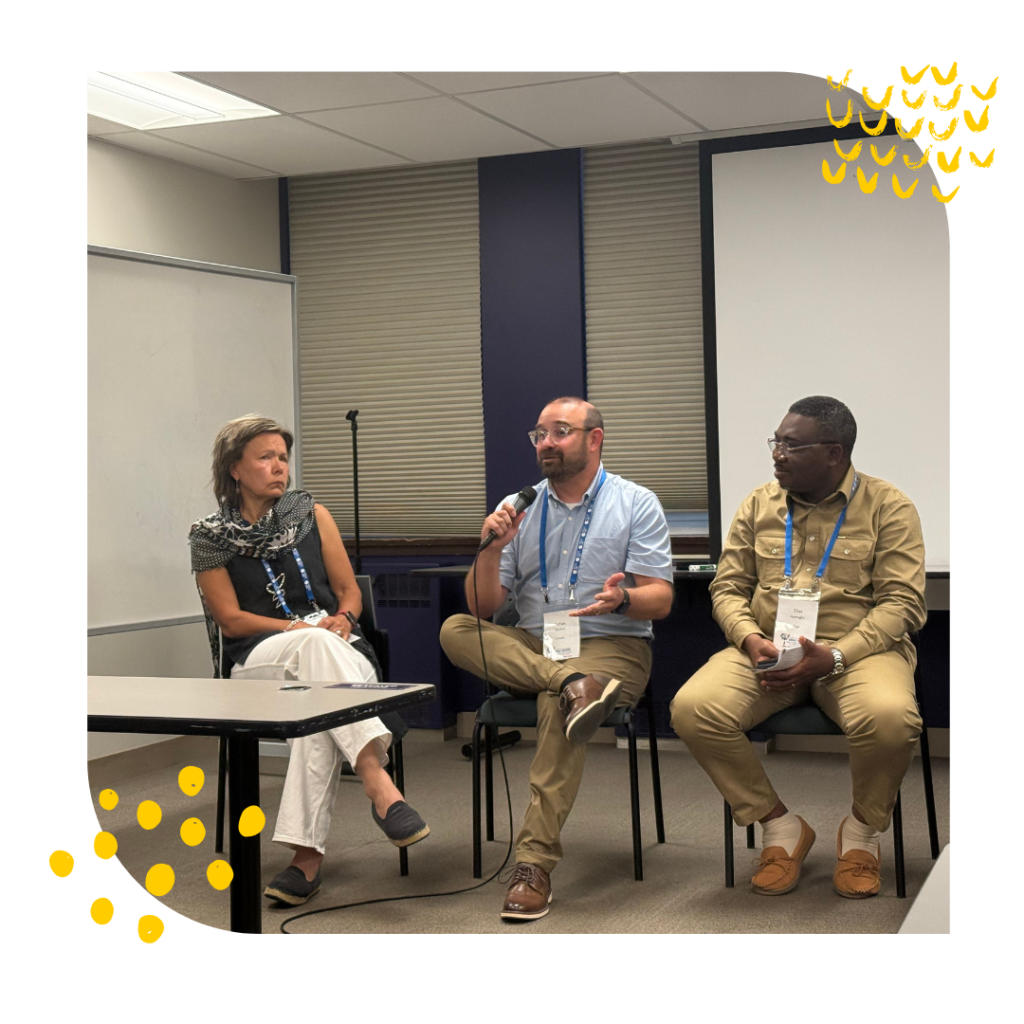
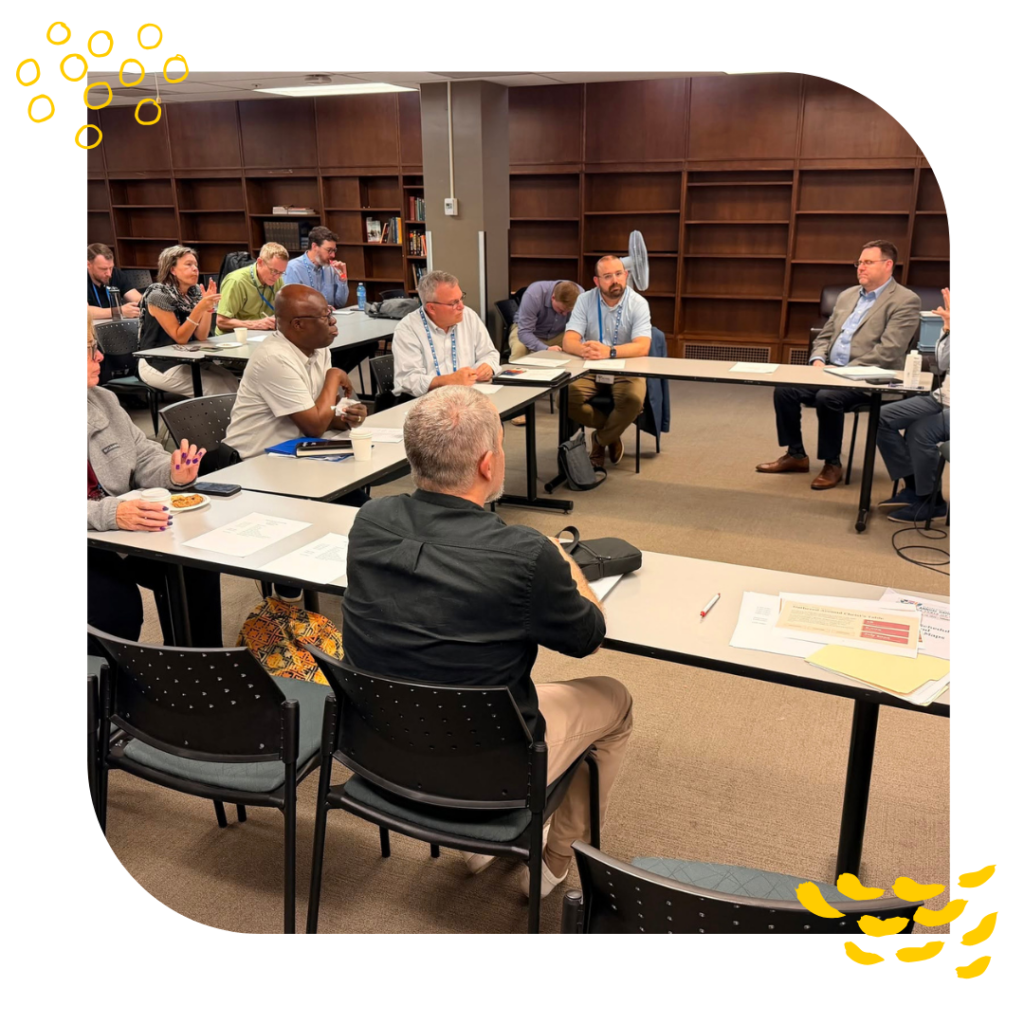
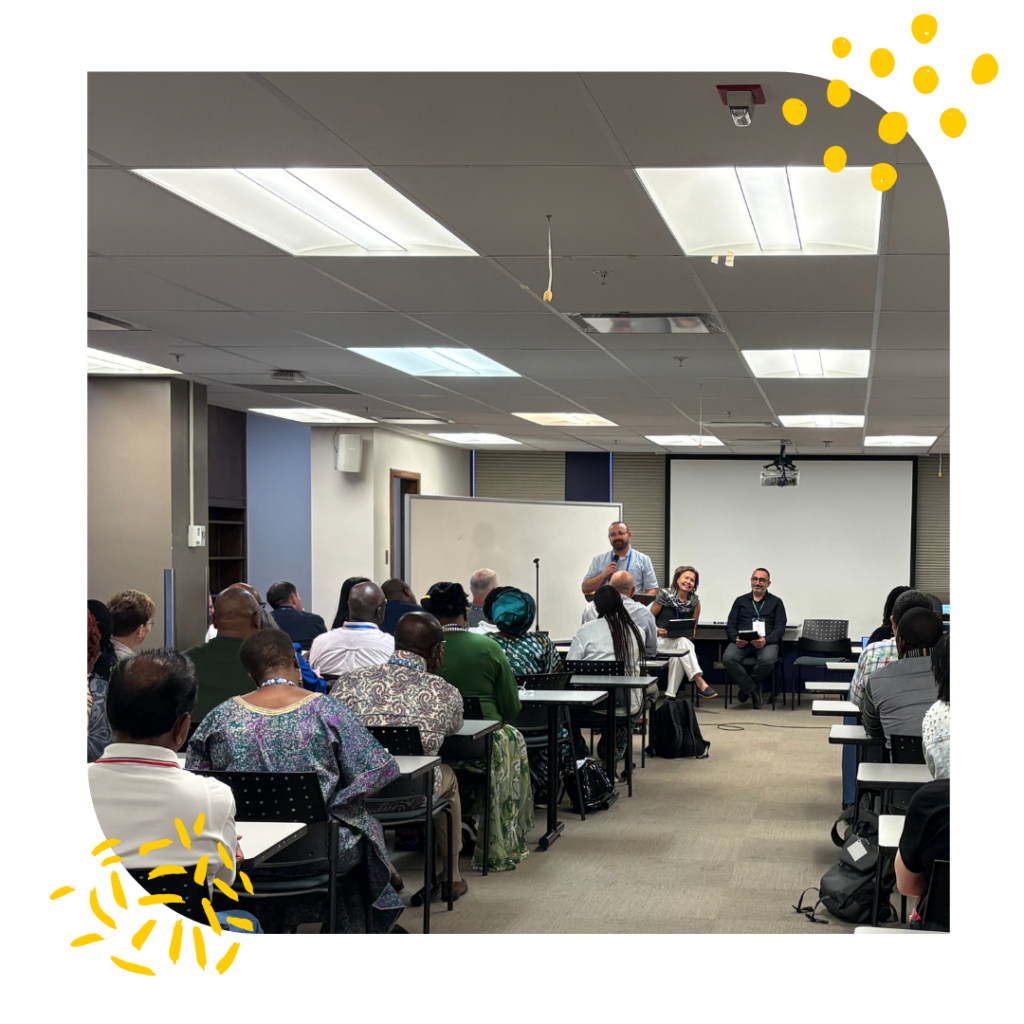
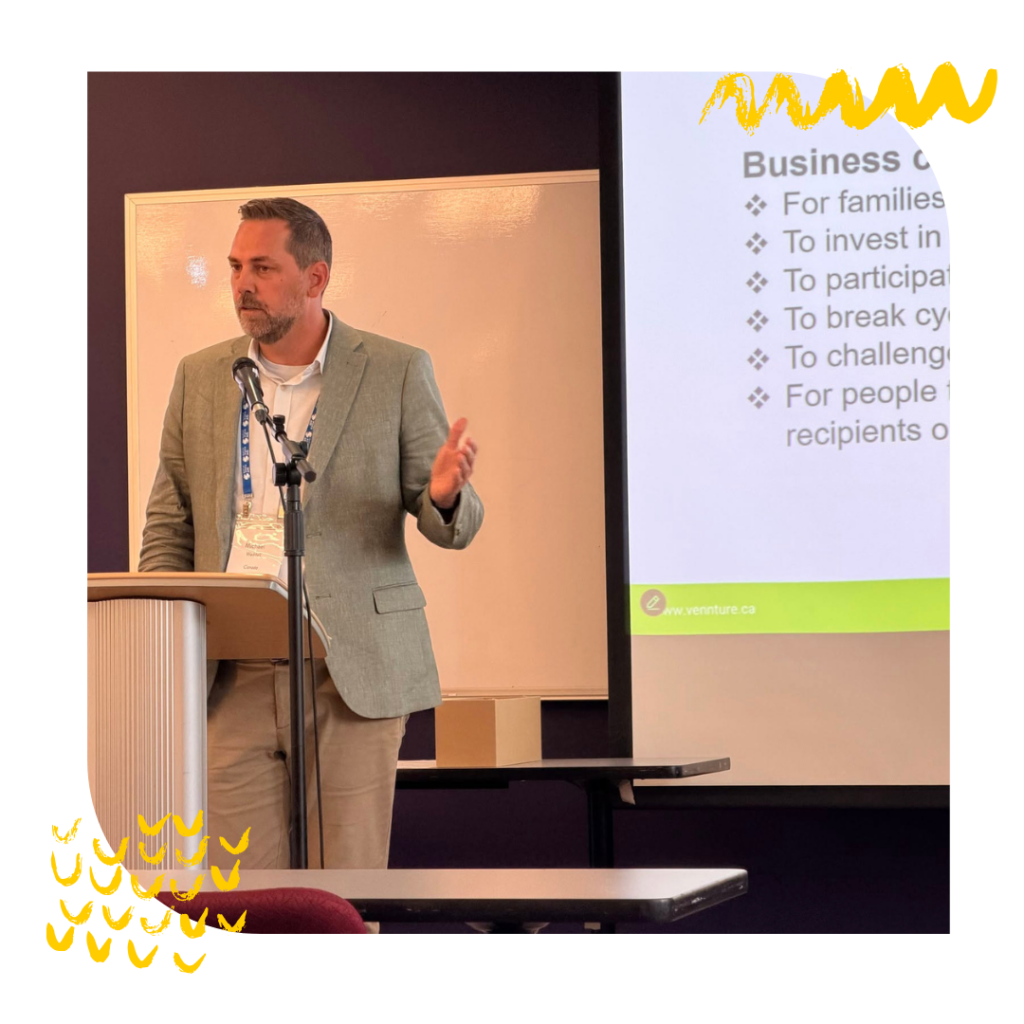
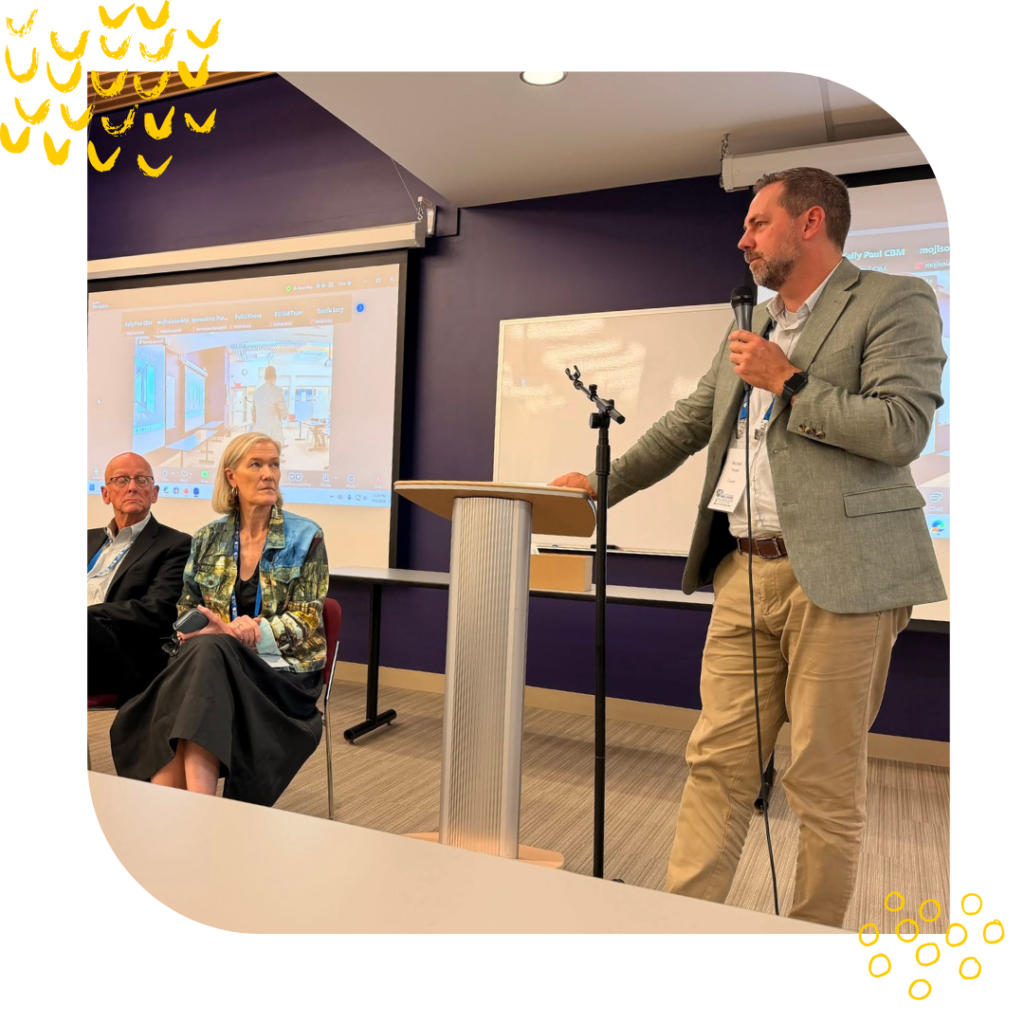
I spent much of last week writing session recaps, sitting in breakouts, sharing meals with people from around the world, and listening to stories of faith from places I may never visit. What stayed with me was not simply that the Church is global, but that the global Church is nearer than we often realize.
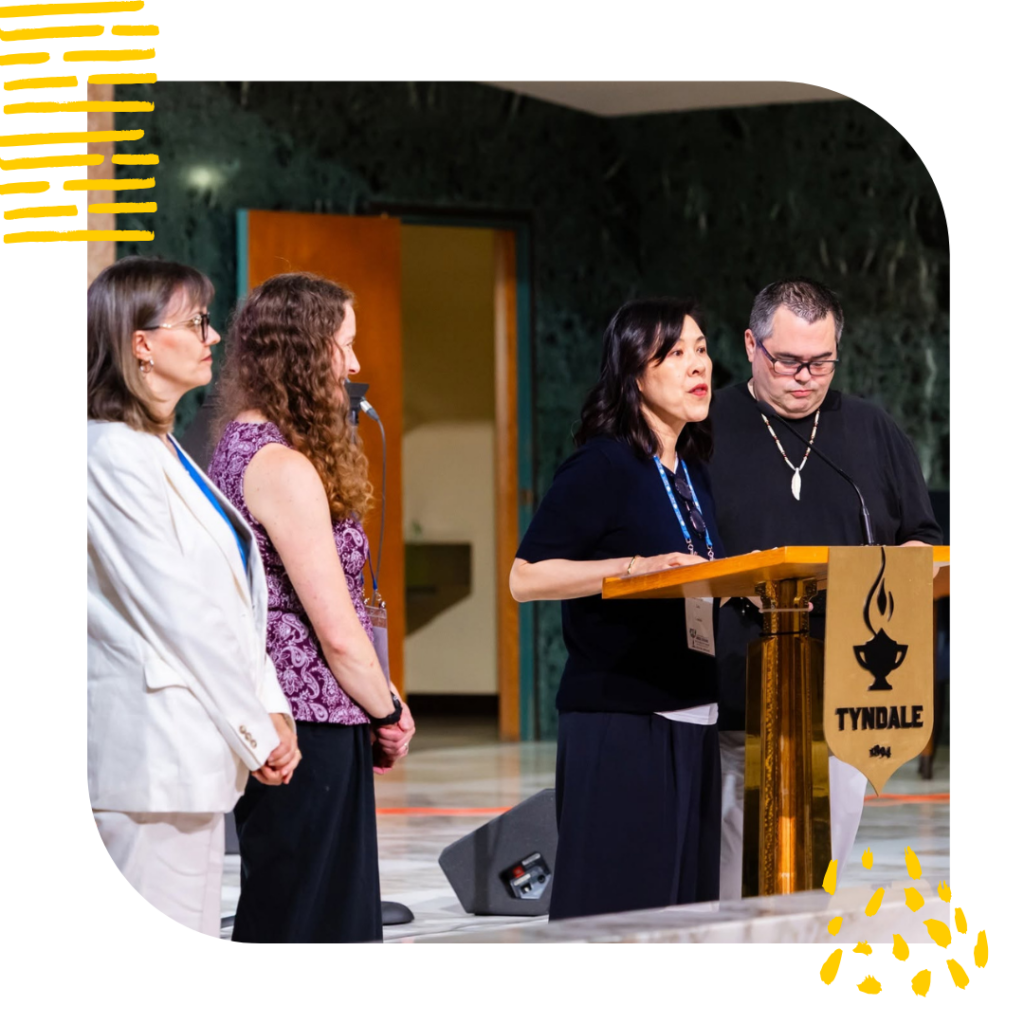
For one week at Tyndale University, the global Baptist family became visible in one place. Some came from places of stability. Others came from communities shaped by war, displacement, poverty, persecution, or political instability. Some carried growth and possibility. Others carried grief, weariness, and costly faithfulness.
All of them belonged at the table.
This year’s theme, “The Table of Christ: One Gospel, Many People,” could have remained a beautiful phrase printed on a program. Instead, it became a question the week kept pressing on us: what does it mean to share one table when we do not arrive with the same histories, freedoms, wounds, assumptions, or ways of seeing the world?
That question belongs to every church trying to be faithful in an increasingly diverse world.
In Canada, the global Church is already here: in neighbourhoods where families carry stories shaped by migration, displacement, longing, and hope; in congregations where people worship side by side while bringing different languages, traditions, and experiences of faith; and in the questions our churches are already facing around belonging, reconciliation, disability, violence, peace, justice, and mission.
Throughout the week, the stories and sermons kept speaking to one another. We were asked to resist the instinct to say, “Surely not I?” when confronted with hard truths, and to consider where we may be more implicated than we want to admit. We were reminded that those who come to the table of Christ are not meant to leave unchanged. And as the gathering closed, we were challenged to see that the harder task may not be coming to the table, but staying there when culture, fear, or limited imagination make us want to withdraw.
Alongside those messages, we heard Indigenous leaders call the Church beyond conformity toward genuine unity. We listened to Christians from the Middle East speak about faithful witness amid war and the longing for just peace. We received stories from Ukraine, Myanmar, the Caribbean, Europe, Africa, Asia, Latin America, and North America. Together, they pressed the same question: if Christ’s table is wider than our own, what needs to change in us so that others truly have room?
That is why this gathering matters beyond the network itself. It reminds us that the Church is not centred in one country, culture, language, or expression of faith. It challenges the assumption that mission moves in one direction, from those who have resources to those who do not. It unsettles the idea that our own way of being church is normal, neutral, or complete.
Some of the most meaningful parts of the week happened away from the stage: over shared meals, in hallway introductions, through questions raised in breakouts, and in the quiet recognition that someone whose ministry context looks nothing like mine may still help me see Christ more clearly.
Most of us do not need another reminder that diversity matters in theory. We need the kind of encounter that teaches us how to receive it in practice. That kind of formation happens in local churches, around dinner tables, across neighbourhoods, and in relationships built over time. But when a gathering like this comes close enough for us to attend, even for a day, it offers a rare gift: the chance to see the wider Church not as an idea, but as people we can listen to, learn from, and sit beside.
We gathered. So what?
So: we return with a wider understanding of the Church, a deeper sense of belonging to one another, and a clearer responsibility to make room.