

Empowering Young Women in the Central African Republic
Whether arriving from Canada or elsewhere, visitors who land at Bangui’s M’Poko International Airport are welcomed by a strikingly green, flat landscape. The city is surrounded by two large rivers that resemble small lakes, supporting a busy canoe-fishing community that makes fish a staple in Bangui. The streets are filled with movement. Motorcycles weave through pedestrians, and women line the roadside selling vegetables, foufou made from cassava flour, meat, fish, and even live caterpillars, a local delicacy.
Yet signs of recent conflict are impossible to miss. Abandoned homes, damaged buildings, and scattered vehicle scraps remind visitors of the civil war that marked the past decade. This conflict not only damaged the infrastructure but also tore families apart, claimed many lives, and left deep emotional wounds. Hopelessness often surfaces when speaking with community members. Poverty is widespread, and food insecurity continues to rise as more than half of the country’s population has moved into Bangui because of insecurity in rural regions. With fewer people producing food in the villages, competition in the markets is intense. The literacy rate remains low at 46 percent, and most adults who cannot read or write are women.
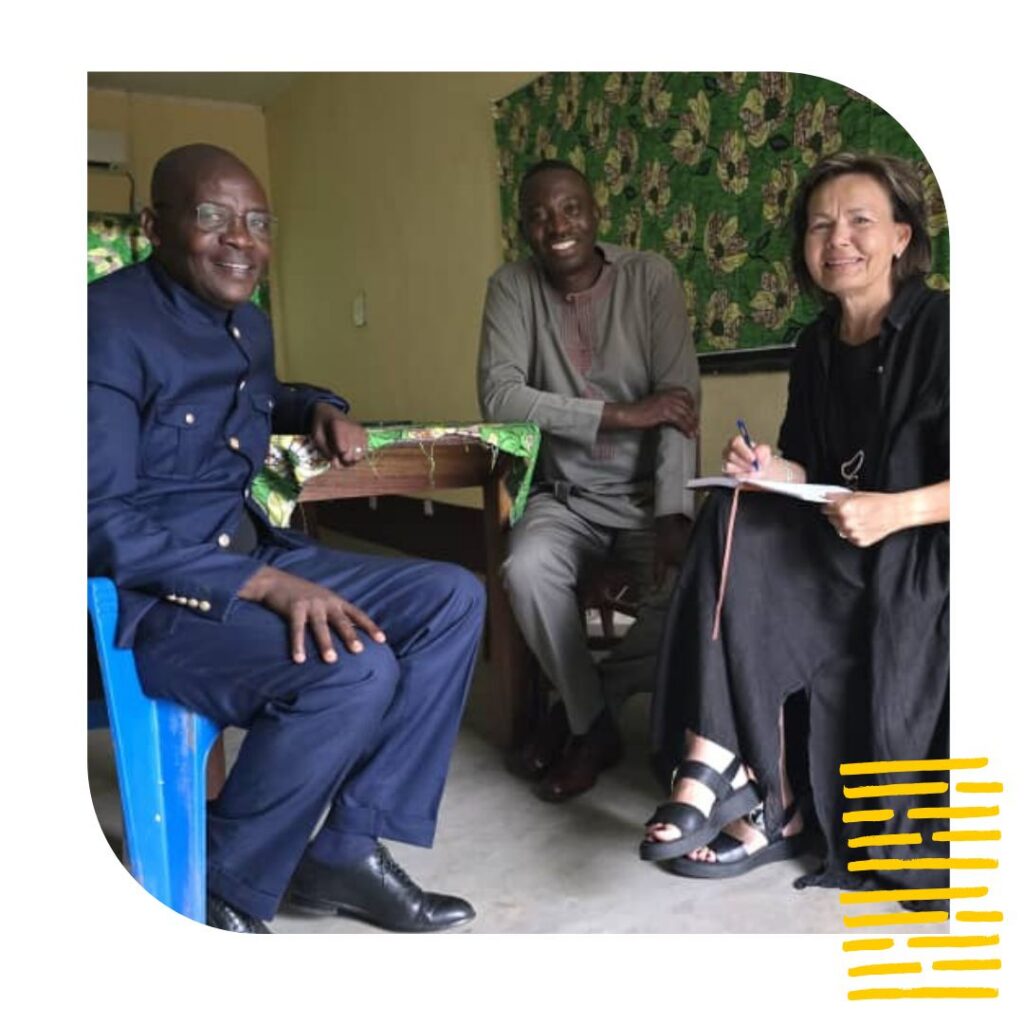
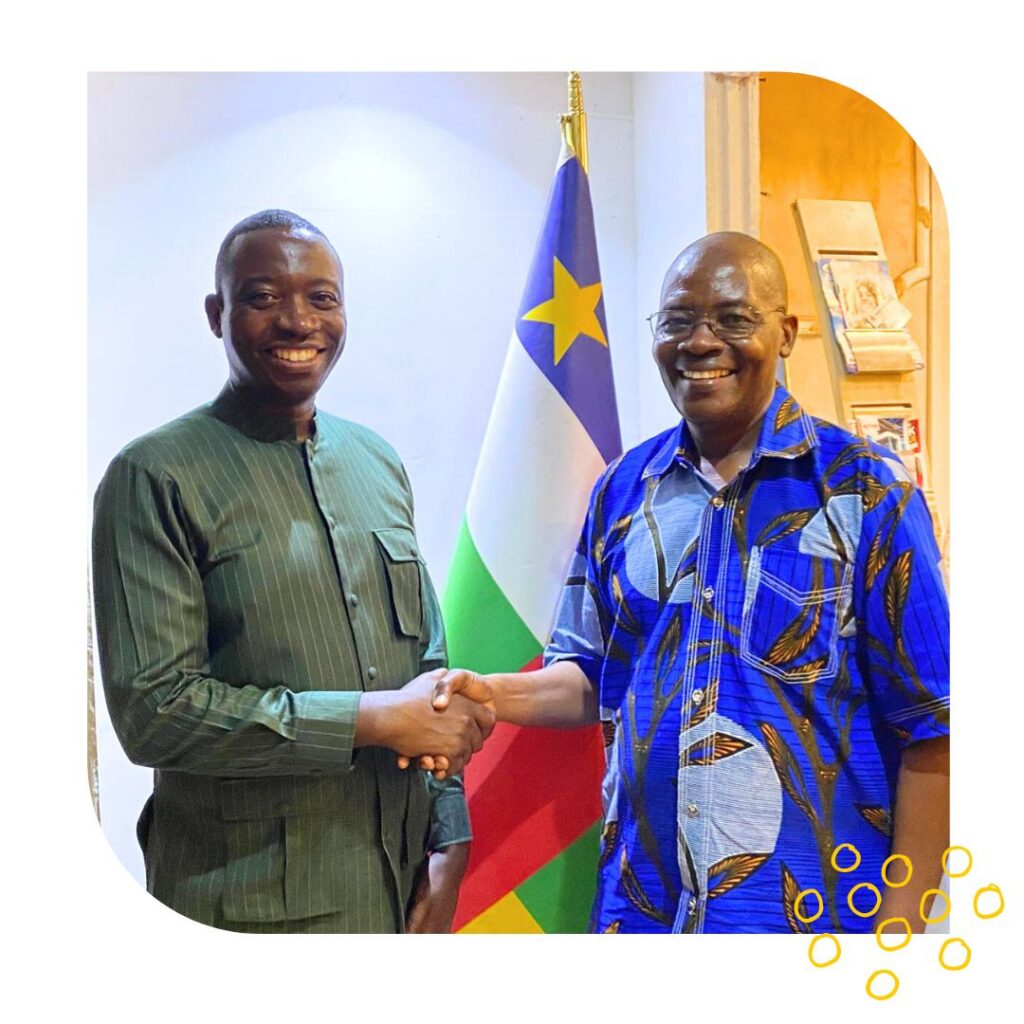
 In the midst of these challenges, the Association des Églises Baptistes Evangéliques de la Centrafrique, a CBM local partner, continues to serve vulnerable communities with dedication. Under the leadership of Rev. Nicolas Aime Singa-Gbazia, AEBEC runs elementary schools, Bible schools, and a vocational training school for young women. The program equips participants with practical skills in tailoring, sewing, and hairdressing, offering a pathway to dignity and independence.
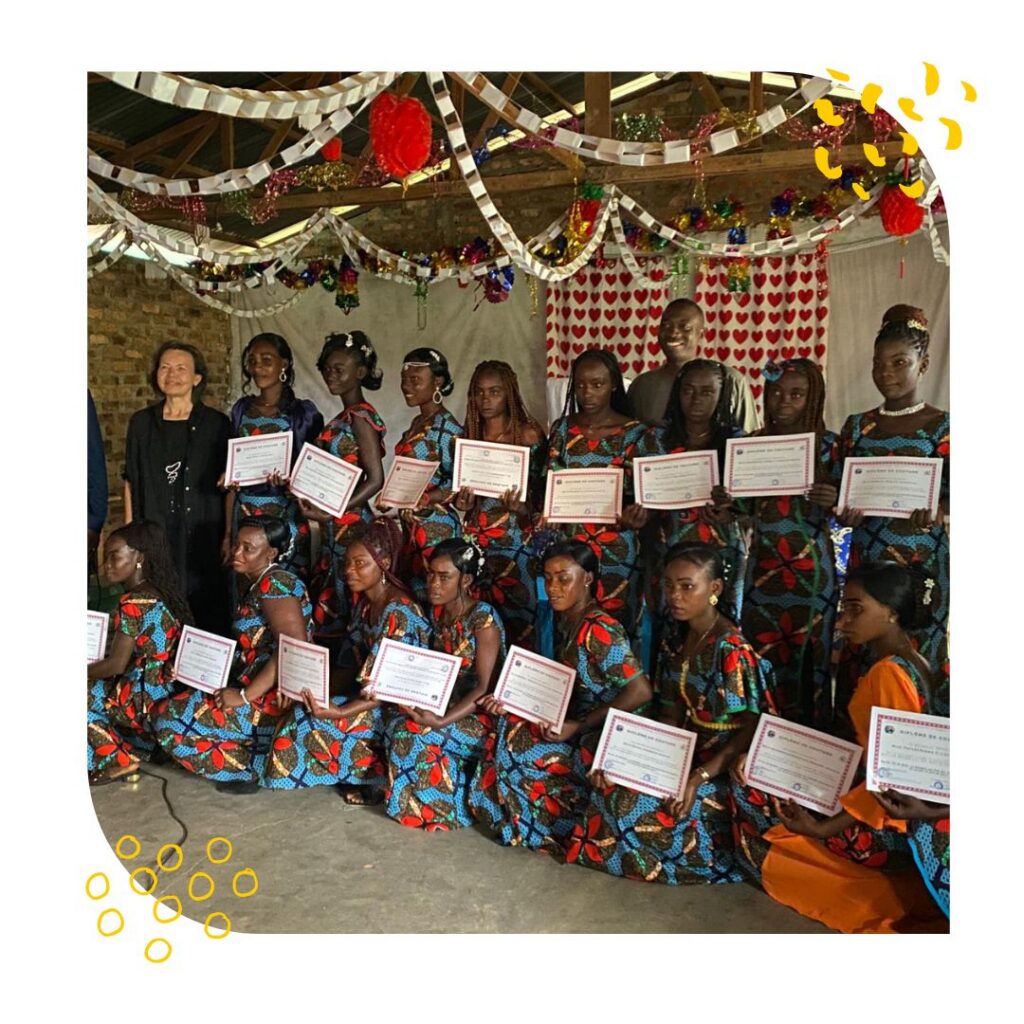
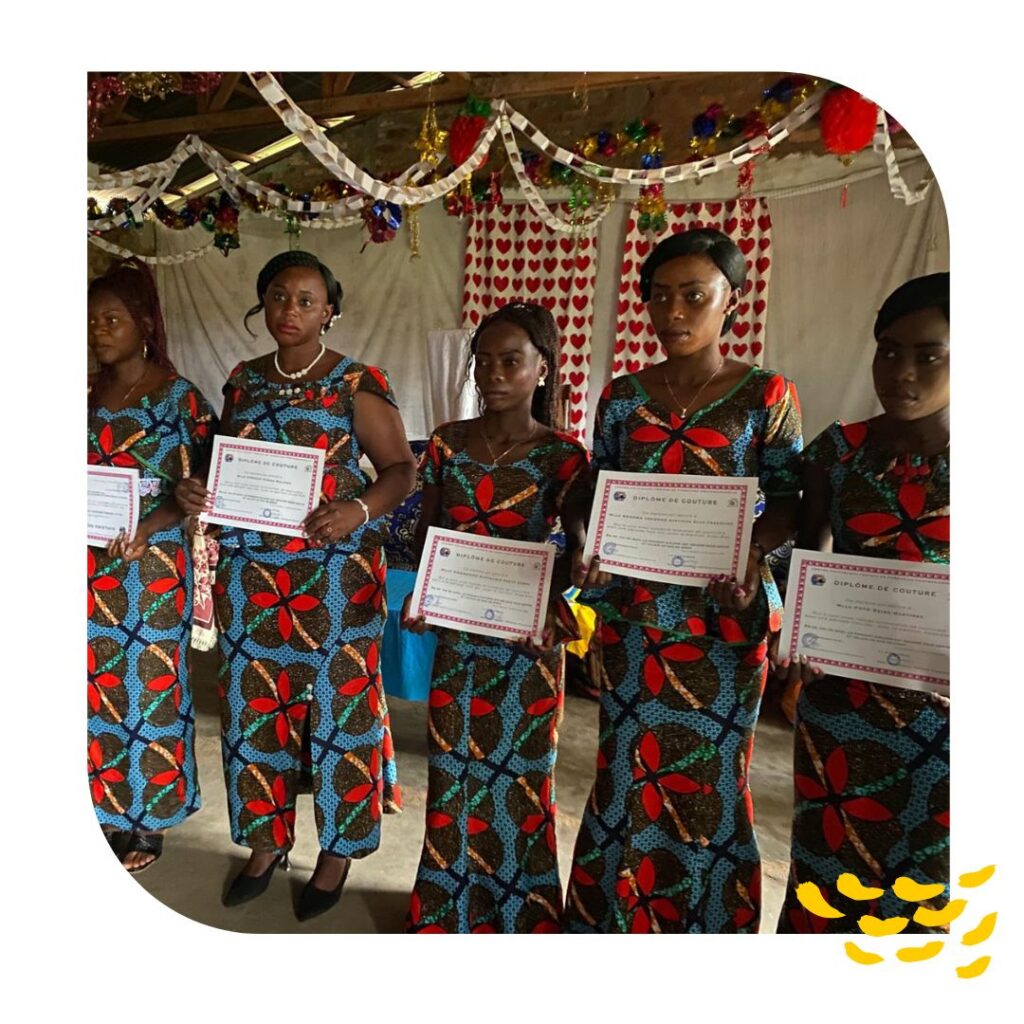
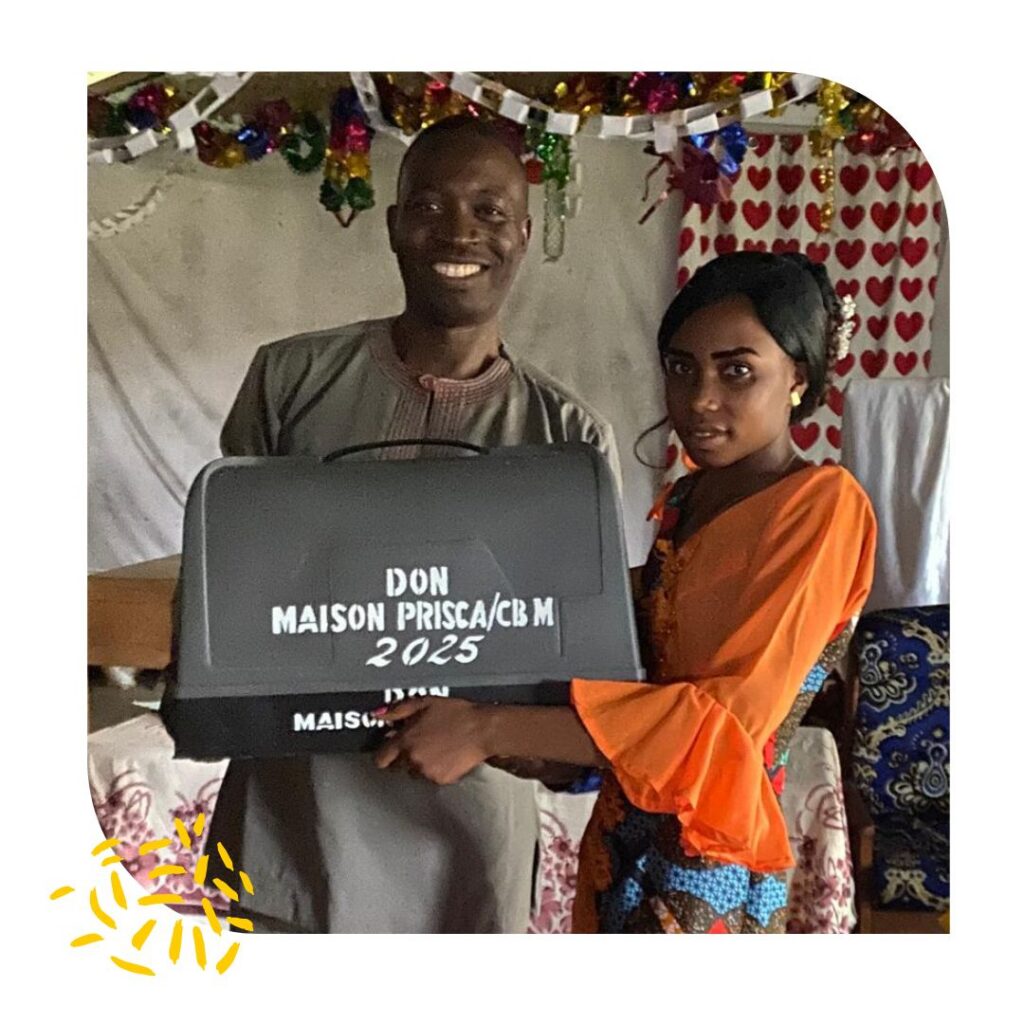
 During our first partner visit, we attended a graduation ceremony for twenty-five young women. Many were single mothers who had survived sexual abuse and violence during the civil war. Among them was Mrs. Martha, who proudly received her certificate with her young daughter by her side. She shared how difficult it had been to care for her child while completing her sewing training. Her perseverance was remarkable, especially considering that seventy-five percent of her classmates had been forced to drop out because they could no longer afford tuition or daily meals. Others left the program after facing unwanted pregnancies with no support.
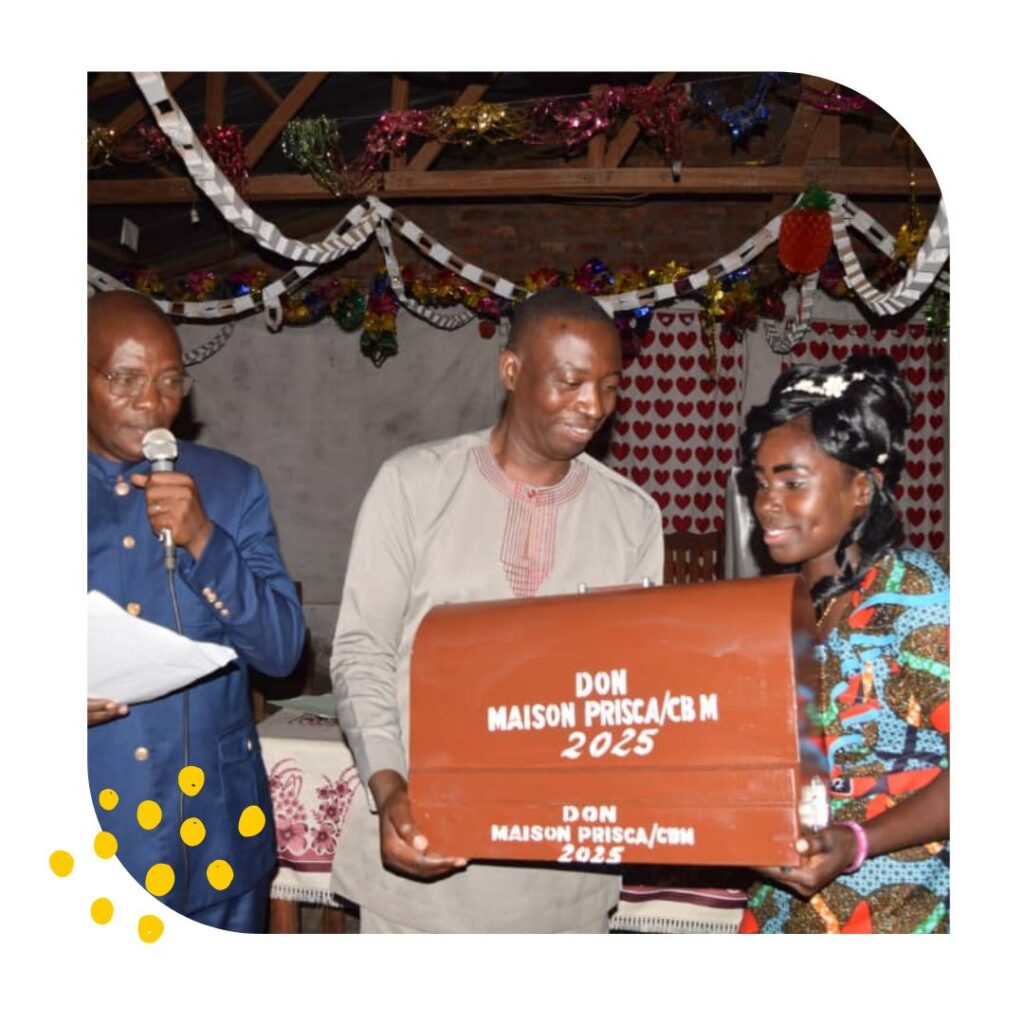
There are many young women in the Central African Republic who long for hope and the chance to build a better future. Their circumstances make this difficult, but vocational training offers a lifeline. With skills and a sewing machine kit to start their own work after graduating, these young women can provide for themselves and their families.
CBM invites you to stand with the young women of the Central African Republic. Equipping one woman equips a generation, strengthening families and communities for years to come.